ECOLOOP convened its General Assembly in Albena on October 7–8 to evaluate critical milestones in renewable energy integration and circular bioeconomy within sustainable agriculture. Central to the meeting were the technical achievements of the Bulgarian Pilot, which demonstrated how combining renewable energy production with circular bioeconomy models can significantly improve resource efficiency across the agri-food sector.
The two-day summit brought together consortium representatives from across Europe to review performance data, assess field installations, and evaluate scalable models designed to reduce carbon emissions and external energy dependency in farming.
Key achievements included the continued operation and monitoring of the small-scale Agri-PV greenhouses, the optimisation of biogas production processes through improved feedstock management, and the advancement of data integration into the Decision Support System (DSS) supporting energy and resource efficiency. Initial results indicate enhanced synergies between renewable energy generation and greenhouse cultivation, demonstrating the potential for reducing external energy demand while maintaining agricultural productivity.
The discussions also highlighted ongoing activities related to digestate valorisation, biofertilizer assessments, and the collection of additional operational data that is and will feed the DSS, enabling evidence-based evaluation of environmental and economic performance.
Field Visit Demonstrates Replicable Circular Solutions
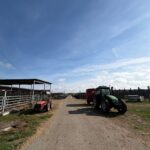
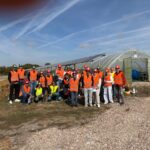
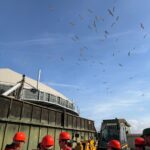
On 8 October, consortium partners visited the Bulgarian demonstration facilities, including the biogas plant and the Agri-PV greenhouse installations.
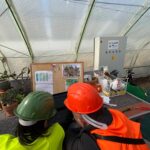
During the field visit, participants observed the operational integration of renewable energy generation, greenhouse climate monitoring, and circular nutrient management practices. The visit provided tangible evidence of the pilot’s progress towards closing energy and resource loops, while showcasing solutions with strong replication potential for agricultural communities seeking to increase energy self-sufficiency, reduce emissions, and improve resource efficiency.