
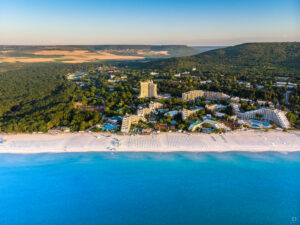
When you search for Albena online, you’ll find breathtaking images of a stunning vacation resort on the northern Bulgarian Black Sea coast. With its pristine beaches, fancy hotels, nature, and vibrant recreational areas, Albena is a dream destination for travelers. But beyond its stunning exterior, this ECOLOOP pilot site holds a deeper story—a commitment to environmental sustainability that sets it apart.
At Albena, delighting guests goes hand-in-hand with protecting the planet. The resort’s dedication to integrating and optimizing renewable energy is not just an initiative; it’s embedded in its core values. This balance of hospitality and sustainability makes Albena a standout example of how the tourism industry can align with environmental responsibility.
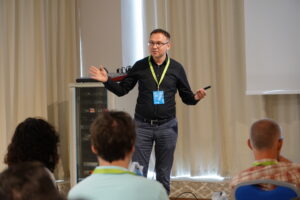
Recently, we had the privilege of interviewing Eng. Dimitar Stanev, a key partner in the ECOLOOP project and a familiar face to many of the consortium. His kindness and dedication to sustainability are truly admirable. That’s why we wanted to bring you closer to this Bulgarian pilot and one of the key figures behind ECOLOOP’s efforts, Dimitar Stanev.
Under the leadership of Eng. Dimitar Stanev, Albena is a pioneer in energy optimization. As an ECOLOOP pilot site, it operates 2.4 MW of solar installations, cutting its carbon footprint and saving hundreds of thousands annually. Advanced software manages energy flows efficiently, with surplus energy repurposed for hotel use.
Albena has also collaborated on EU projects like INVADE and X-FLEX, focusing on smart energy management. Looking ahead, the resort plans to expand renewable energy investments, solidifying its role in Bulgaria’s green transition.
As Bulgaria’s largest hotel company in an agriculturally rich region, how does Albena’s ECOLOOP pilot advance its strategy for a local circular economy, particularly in agriculture and bioenergy?
Albena has always been a trendsetter, both in hospitality and sustainable practices. Our strategy is deeply rooted in preserving and nurturing nature—it’s what makes Albena special and is integral to our business. Guests come to Albena for its natural treasures: the sea, the expansive sandy beaches with soft, fine sand, the lush greenery, and the Baltata Nature Reserve along the Batovska River valley.
ECOLOOP aligns perfectly with this vision by enabling us to expand upon sustainable practices we’ve implemented for years. Imagine this loop, which happens locally: a farmer grows fruits and vegetables, consumed by tourists staying at near hotels. The leftovers from these crops and consumed food become raw materials for local biogas plant, which generates electricity and secondary biomass for fertilizing fields and greenhouses. These, in turn, produce high-quality food for our guests. It’s a natural “ECOLOOP” that epitomizes sustainability. This cycle is more than a concept; it’s a demonstration of how tourism, agriculture, and renewable energy can work together hand in hand.
How are biogas production and soil health innovations benefiting Albena and the local agricultural community?
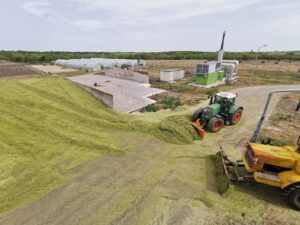
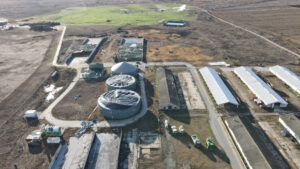 Our biogas plant was initially designed to operate exclusively on corn silage. However, with substantial investments, we expanded its capacity to handle a broader range of raw materials, including food and agricultural waste. With 27 restaurants in our network, this transition allows us to efficiently process significant amounts of organic waste generated by our operations, as well as contributions from local industries. This waste is transformed into renewable energy and nutrient-rich digestate—a powerful fertilizer that enhances soil health and supports sustainable agriculture in the region.
Within the ECOLOOP framework, we’re working to maximize the utilization of agricultural waste. However, a logistical challenge arises because, while Albena’s hotels meet food waste separation standards, other local industries often do not. This thrives us to proceed exploring ways to increase the share of processed food waste in the overall mixture of raw resources.
What steps is Albena taking to achieve 100% renewable energy, and how does the integration of PV systems with greenhouses contribute to this goal?
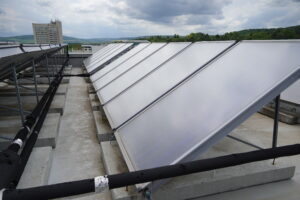 For years, we’ve also pursued the goal of generating all our electricity from renewable sources. For instance, our photovoltaic (PV) systems on hotel rooftops already produce most of the electricity for their local operations. This is possible because the necessary energy amount for domestic hot water is met by another technology for renewable energy – photothermic panels possess efficiency of 85% for converting solar energy into hot water. Within ECOLOOP, the next step is installing PV systems on greenhouses, improving energy efficiency, boosting crop yields and saving valuable land for crops and not for panels.
During our visit to the Spanish pilot, we saw how our Spanish partners have successfully integrated PV systems with greenhouses. We aspire to be trendsetters in this field and are enthusiastic about scaling this initiative if it proves successful.
How is ECOLOOP integrating renewable energy at Albena, and how does the Biogas Power Plant enhance sustainability and agricultural yield?
Albena currently operates 16 solar power plants, installed on hotel rooftops and other facilities, with a total capacity of 2350 kWp during peak summer months. These systems supply electricity for both active-season operations and year-round needs, such as heating the Flamingo Grand Hotel & SPA pool.
Our biogas plant complements these efforts by transforming food and agricultural waste into clean energy and nutrient-rich fertilizer. The latter is used to improve soil health and increase agricultural yields in our fields and greenhouses. This integration exemplifies how renewable energy can drive environmental and economic growth in harmony.
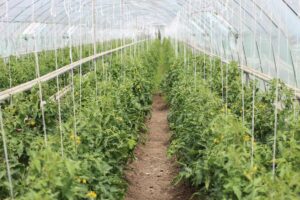
With ECOLOOP we also aim to facilitate the production of vegetables during the cold months and use their leftovers to produce electrical and thermal energy, and fertilizer. This will bring Albena not only a strategic advantage compared to its competition in the tourism sphere, but it also will help to prolong the touristic season and help tackle the biggest problem in summer tourism – seasonality.
How does the ECOLOOP Farmers Support System help farmers in the Dobrich district, and what impact might it have?
 ECOLOOP supports local farmers by providing access to biofertilizers, data-driven insights, and a platform for adopting sustainable practices. More importantly, it fosters a sense of community, which is often lacking.
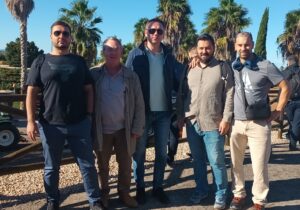
Our partners from the Spanish pilot serve as an inspiration. During our visit, we created not just partnerships but genuine society among agricultural farms. We hope to nurture a similar culture in Bulgaria. We meet a broader human challenge here: with the ECOLOOP farmers tool we want to promote our mindset that unity makes the strength and therefore we are willing to provide valuable data to the community for a more resilient and united district.
What are the long-term goals of the ECOLOOP pilot, and do you plan to expand it to other sectors or regions in Bulgaria?
Our long-term vision for ECOLOOP is to establish a model that demonstrates how tourism, agriculture, and energy can coexist sustainably. Beyond showcasing this approach, we are committed to sharing our experience and know-how with local farmers and stakeholders, using the digital tool developed during ECOLOOP, empowering them to adopt and implement similar models across Bulgaria. By fostering collaboration, we aim to inspire a collective shift toward sustainable practices that benefit the entire region.
Could this extend to other sectors?
Absolutely. Circular principles—reuse, recycle, regenerate – apply universally, from hospitality to manufacturing. ECOLOOP is a step in a larger journey for Albena and Bulgaria, paving the way for sustainable innovation on a national scale.
Photo Credits: Albena.